

Welcome to our blog!
We would like to start by thanking everyone who has shown interest in our project, as well as those who’ve played an important role in helping us shape and reach our goals. This blog is meant to be a relaxed space where we share updates on deep brain stimulation (DBS) and other topics connected to our research. Each month, you can expect a new post that explores a different theme, written in an accessible way, but still grounded in solid scientific sources.
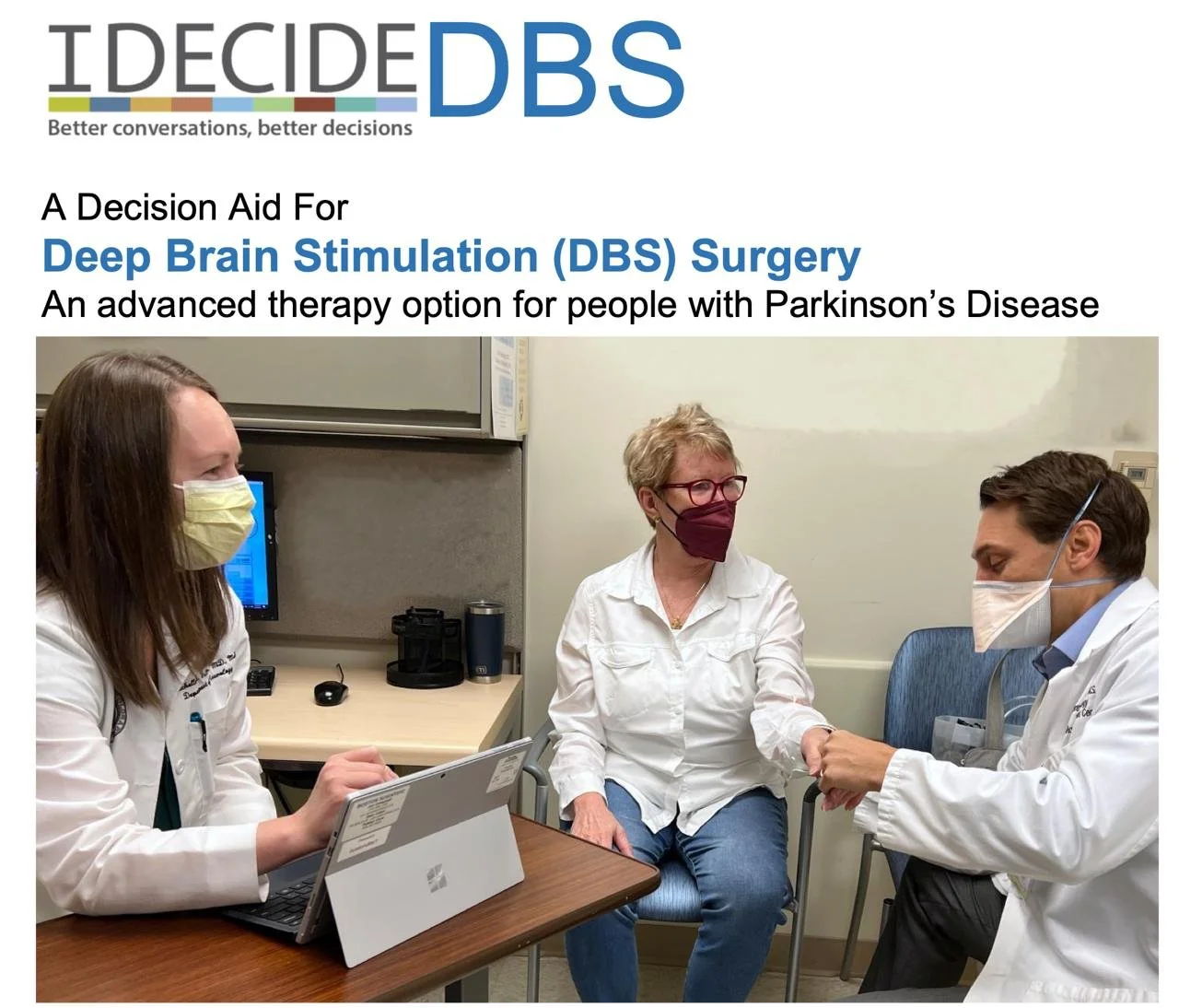
A New Tool to Help Parkinson's Patients Weigh DBS Surgery
Facing Deep Brain Stimulation (DBS) for Parkinson's can be scary, being a brain surgery with a lot of potential but also risks. A 2026 University of Colorado study tested a free decision aid that aims to assist patients in making this important decision, helping patients clarify goals and cut confusion…
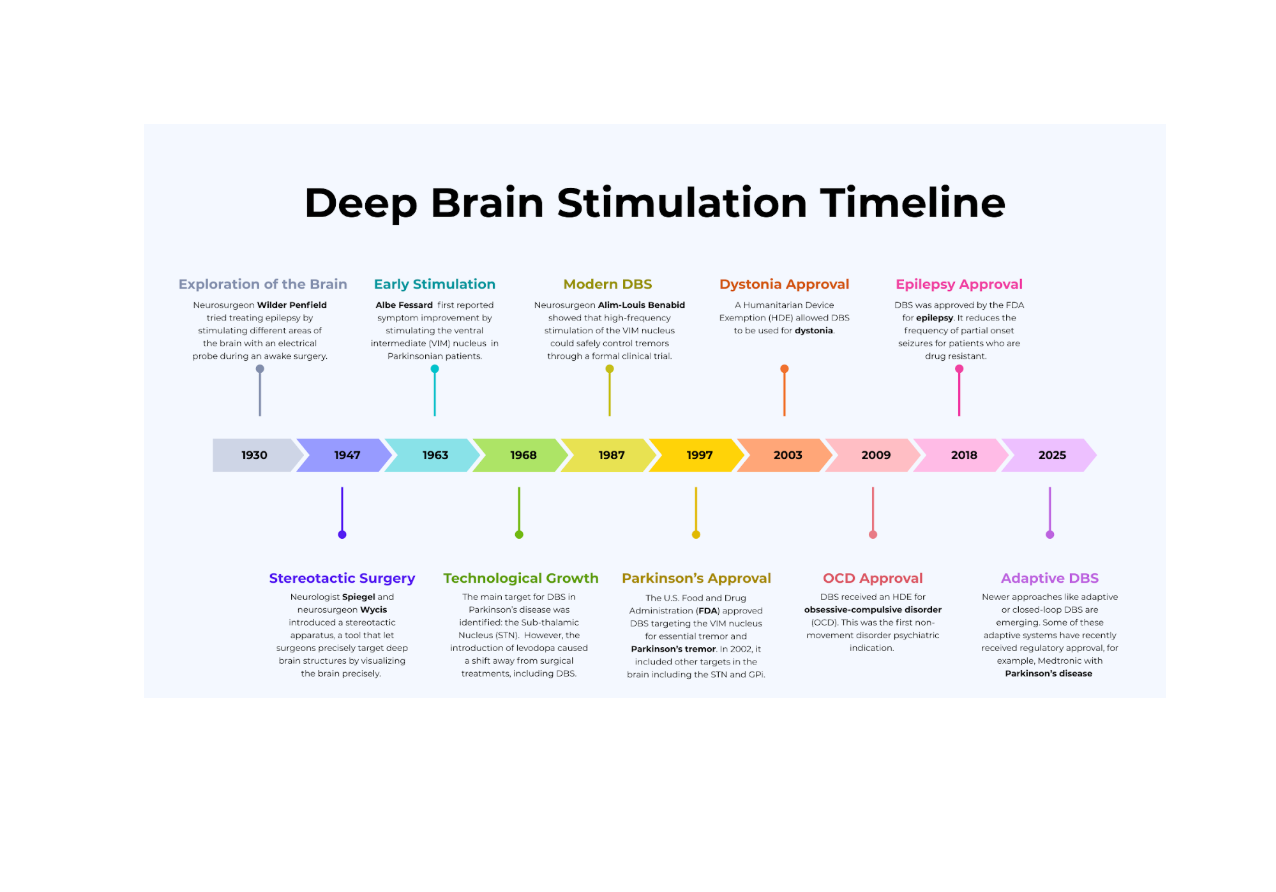
The Timeline of Deep Brain Stimulation
Deep Brain Stimulation (DBS) has become a cornerstone of modern neurosurgery. It has transformed how clinicians treat a variety of neurological and psychiatric disorders. Today, DBS is used to manage conditions such as Parkinson’s disease, essential tremors, dystonia, obsessive-compulsive disorder (OCD), epilepsy, and research continues into many more potential applications.
DBS wasn’t invented overnight. It emerged through decades of technological innovation and clinical evolution. Below, we trace the history of DBS from its early roots in the exploration of the brain and stereotactic surgery to its current role as an established therapy.
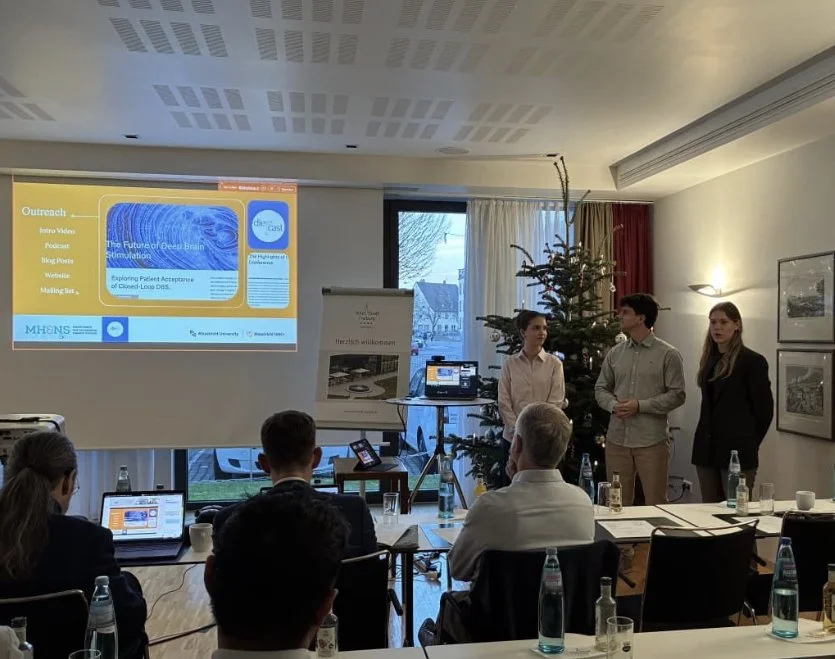
A great few days at the EuroDBS in Freiburg
We are delighted to announce that we closed the year with a presentation at the conference in Freiburg. We were invited to deliver two presentations at EuroDBS, where we shared our preliminary results and received valuable feedback. This input will help guide and strengthen our work as we move into the new year.
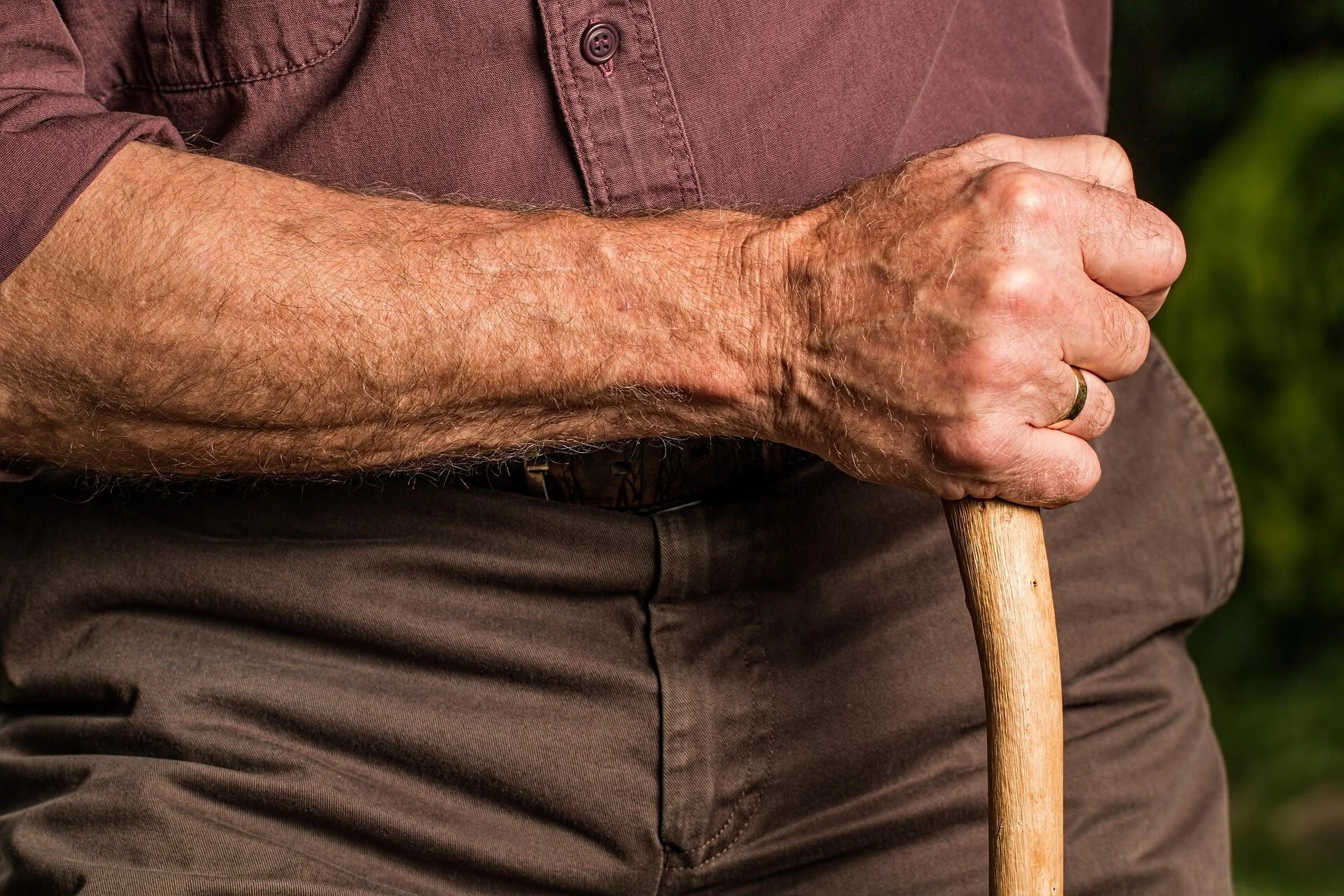
Walking Again: How AI Is Fixing Parkinson’s Gait
So here's the thing about Parkinson's gait: it's basically a problem nobody's really solved yet. Patients shuffle, take these tiny steps, sometimes freeze in place. Standard deep brain stimulation (DBS) is amazing for tremor and stiffness, but for walking? Not so much…..
Updates in the world of DBS
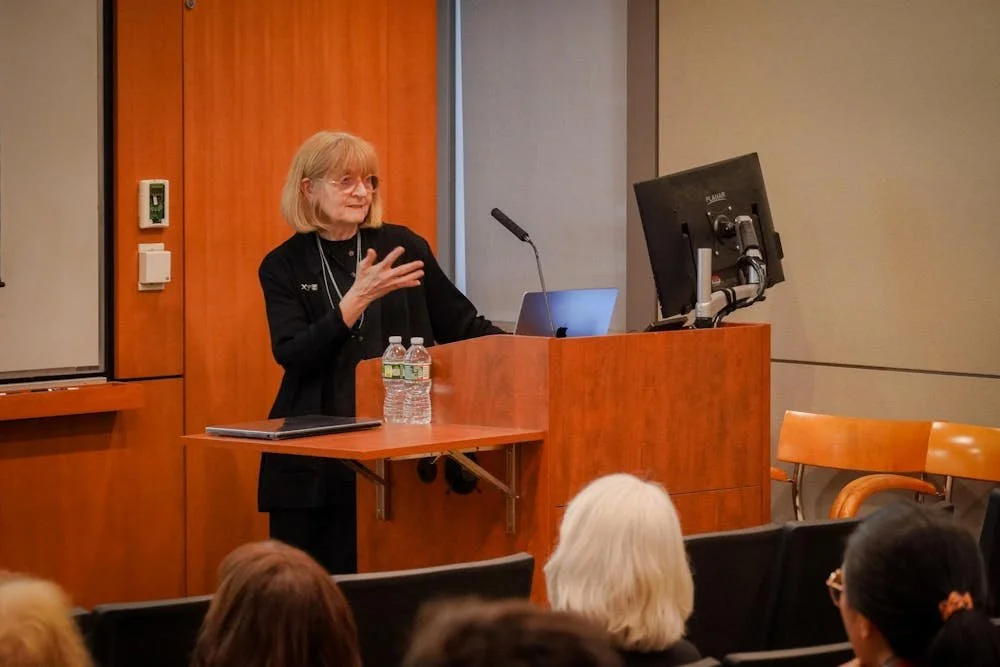
This blog post provides in-depth project updates and includes a section by Dara Nitu highlighting recent developments in the world of DBS.
Patients as an Integral Part of Research and Development
When we picture clinical research, many of us imagine scientists and doctors running clinical trials on patients as “test subjects”. But today, patients are taking on a much more central role in research. They’re no longer just participants, they shape the questions researchers ask, the solutions that are designed, and even how results are communicated.
The Highlights of the Conference
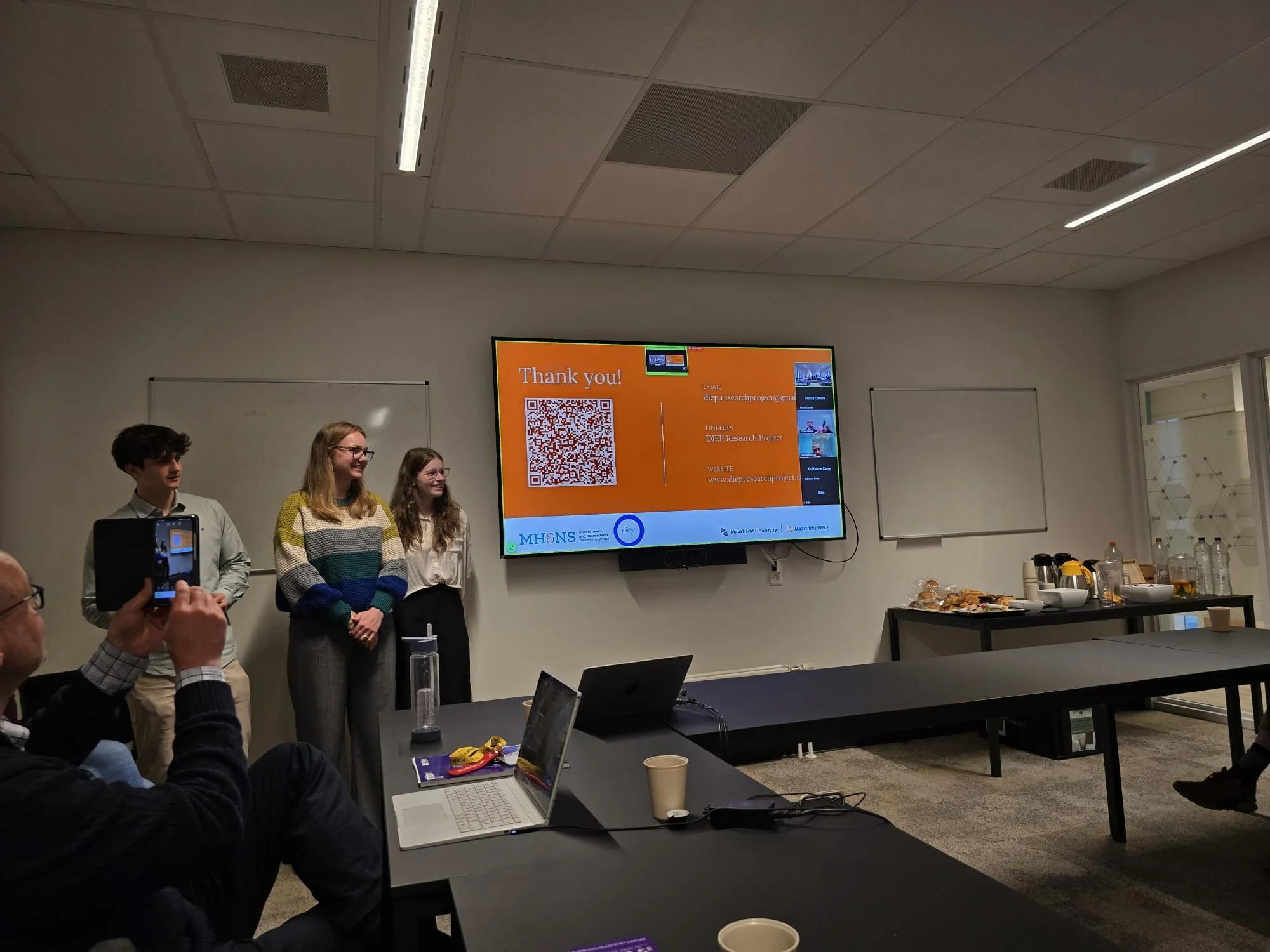
We were lucky enough to be able to attend this year’s Neuripides conference in Maastricht, and listen to amazing presentations from both researchers presenting their recent projects, as well as patient representatives. Especially the patient representatives gave us very insightful points, new perspectives and considerations that helped us understand their position and concerns more.